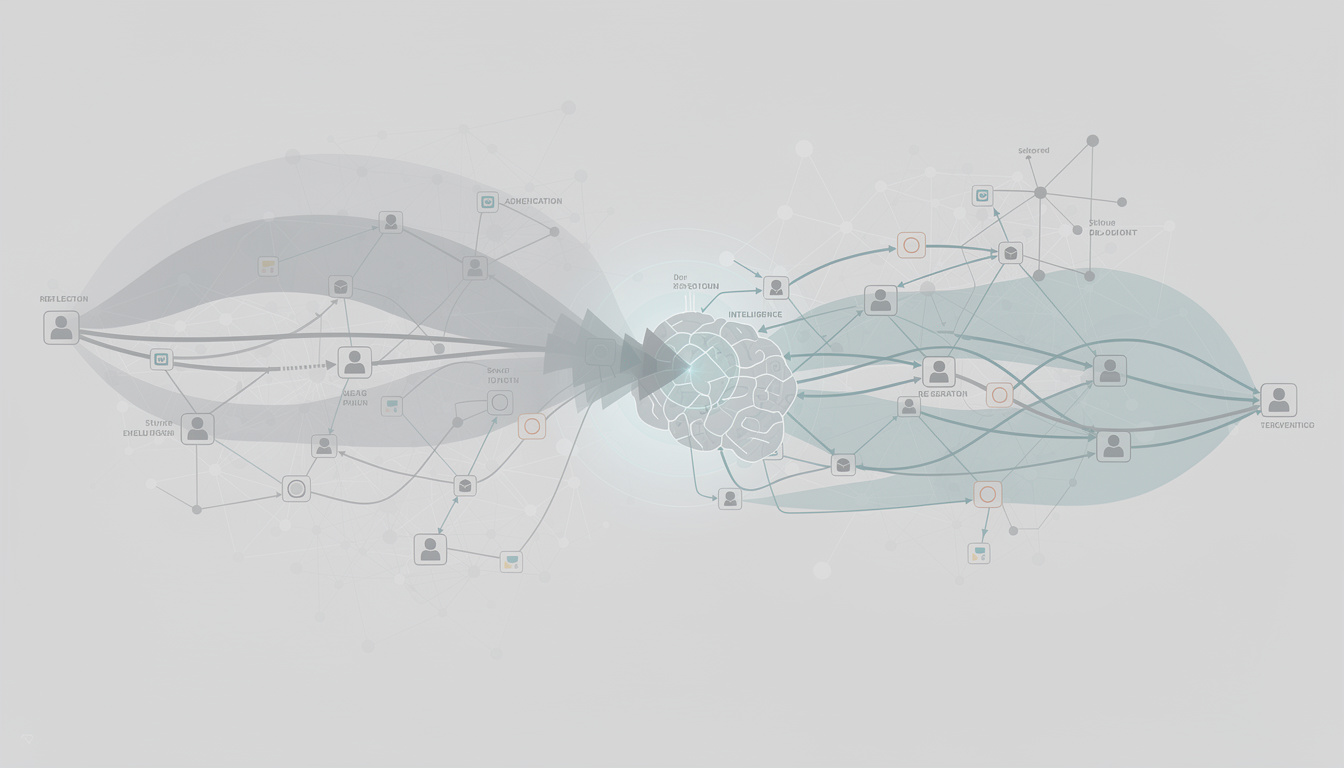
Definition and Fundamental Mechanisms of the Selection of Sites Cited by ChatGPT
In the ecosystem of conversational artificial intelligences, ChatGPT stands out for its ability to synthesize information from numerous sources to provide precise and educational responses. However, not all websites are equally cited within its answers. This selection is based on a citation algorithm that relies on several key criteria that ensure the quality, relevance of the data, and reliability of the sources.
The concept of “cited sites” in ChatGPT refers to the set of web resources that the AI uses explicitly or implicitly to build its answers. This notion involves rigorous indexing, semantic analysis, and advanced contextual understanding. The algorithm primarily favors structured, up-to-date, and detailed content, offering informational richness suitable for the formulated query.
For example, internationally recognized platforms such as Amazon or Airbnb frequently appear in citations due to their significant digital presence, depth of their content, as well as their continuous SEO optimization. These giants also benefit from uncontested web authority, established by strong netlinking and exemplary localized content.
Main Criteria for Source Selection by ChatGPT
- Quality and structuring of content: well-formatted pages with semantic tags (titles, subtitles).
- Regular updates: AIs prioritize recent information.
- Domain authority: SEO weight via relevant backlinks and digital reputation.
- Direct relevance to the user’s query.
- Technical accessibility: loading speed, mobile compatibility, and clean code.
The selection of sources is not limited to the first Google positions. ChatGPT applies specific filtering, oriented towards reliable synthesis and optimal user experience. Information biases are thus minimized by preference given to verified sources and corroborated data.
| Criterion | Description | Impact on Citation |
|---|---|---|
| HTML Structure | Optimal use of Hn tags and lists | Facilitates indexing and understanding by the AI |
| Updating | Frequency of content updates | Prioritization of recent information in responses |
| Authority | Netlinking and domain notoriety | Strengthens AI credibility and trust |
| Accessibility | Technical site performance | Improves AI crawlers’ exploration |
| Semantic Relevance | Matching between content and query | Optimizes relevance of provided citations |
SEO-friendly Case Studies: Understanding Why Certain Sites Frequently Appear in ChatGPT
Case studies play a fundamental role in the visibility of sites with ChatGPT. These contents offer a precise balance between concrete data, structured storytelling, and optimization for search engines, which perfectly fits the expectations of the citation algorithm. Produced rigorously, these studies clearly illustrate a problem, the solutions provided, and measurable results, which strengthens content quality.
For example, Stripe highlights cases of integrating its API in e-commerce environments, demonstrating performance gains and security. Spotify uses user engagement campaigns based on data to illustrate its methods. These well-organized contents are particularly favored by ChatGPT, known for efficiently processing rich and naturally diagrammed texts.
How to Write a Case Study Optimized for ChatGPT
- Choose clear and representative keywords (e.g. “marketing automation”, “personalized customer experience”).
- Structure content with distinct titles and subtitles.
- Present quantifiable data and verifiable anecdotes.
- Keep content up-to-date and regularly refreshed.
- Facilitate reading with short paragraphs and bullet lists.
By adopting this methodology, sites increase their chances of being cited in ChatGPT’s responses, as they provide both the clarity and depth necessary for automatic synthesis.
| Step | Goal | Example |
|---|---|---|
| Topic Choice | Clearly define the problem to be addressed | Impact of a logistics optimization solution |
| Keyword Research | Identify precise expressions | “Logistics process optimization” |
| Structured Writing | Organize information in clear sections | Context, challenges, solution, results |
| Regular Updating | Refresh data to reflect evolution | Integrated 2025 statistics |
| Formatting | Include lists, figures, and explanatory images | Performance results tables |
Essential Levers for a Site to Be Cited by ChatGPT: Advanced Optimization Methods
Visibility in ChatGPT’s answers is no longer limited to classical good referencing. It is necessary to combine technical aspects, editorial quality, and local dimension to optimize the site’s relevance and authority in the eyes of modern artificial intelligences. Several levers work in synergy:
- Strict compliance with technical SEO standards (loading times, responsive design, good tag hierarchy).
- Rich content aligned with search intents (guides, FAQs, detailed case studies).
- Geolocated approach to capture highly solicited local queries.
- Strengthening targeted netlinking with recognized domains in the same sector.
- Frequent updates to keep data relevant and up-to-date, including in dynamic contexts.
A site like Airbnb perfectly illustrates this balance. It optimizes its local descriptions to appear in regional queries, regularly publishes customer experience feedback in the form of case studies, and constantly adjusts its pages to stay updated. This multidimensional strategy strengthens its position in the AI index and its likelihood of being cited as a reliable source.
| Lever | Description | Application Example | Impact on Citation |
|---|---|---|---|
| Technical SEO | Code optimization, hierarchy, speed | Effective use of Hn tags, improvement of mobile performance | Facilitates content indexing and understanding |
| High-Value Content | Guides, FAQs, detailed case studies | Writing comprehensive and updated practical sheets | Increases AI response relevance |
| Local SEO | Keyword and content adaptation by geographic areas | Service descriptions by city, collected authentic reviews | Improves visibility on specific and local queries |
| Qualitative Netlinking | Requests for links to referring and complementary sites | Sector partnerships and collaborations | Consolidates domain credibility and authority |
| Updating | Regular publication of new or updated content | Integration of the latest statistical data and trends | Preserves information freshness and AI trust |
How to Use ChatGPT to Develop Effective and AI-Adapted Case Studies
Rather than serving only for automated text generation, ChatGPT is a valuable ally in creating case studies optimized for visibility with AIs. This tool helps structure content, enrich data, and ensure a clear message, thus favoring their integration in conversational model answers.
The typical process includes:
- Precisely defining the subject and issue to be addressed to guide research.
- Using targeted prompts to generate relevant introductions and catchy summaries.
- Developing each part with a focus on measurable results and concrete data.
- Incorporating naturally integrated keywords to optimize SEO and AI understanding.
- Finalizing with metadata, optimized descriptions, and alt tags for visual supports.
This methodical framework allows automating the structuring work while maintaining a high level of requirement, essential in a context where content quality determines perceived authority.
| Step | Recommended Actions | SEO and AI Objective |
|---|---|---|
| Subject Definition | Synthesize the main issue and expected results | Clarify the theme for optimal targeting |
| Prompt Construction | Formulate a clear and detailed request for ChatGPT | Obtain precise and contextualized content |
| Organization | Plan content in distinct sections (problems, solutions, results) | Improve readability and AI exploration |
| Writing | Develop content by providing tangible evidence | Boost credibility and ranking |
| Final Optimization | Add metadata, alt tags, readability check | Maximize referencing and AI understanding |
Current Limits of Source Citation by ChatGPT and Their Consequences in 2025
Despite technological advances, ChatGPT’s citation algorithm still presents notable flaws related to rigorous verification and citation of the sources used. A recent study revealed that up to 99% of sources consulted by GPT, Gemini, or Perplexity are not always cited accurately, leading to significant information bias and errors in the links or references provided.
The problem directly impacts the quality of relayed content, user trust, and the credibility of referencing. For example, a dead link (404) or an incorrect citation breaks the trust chain. It also raises economic and legal issues, especially in sensitive fields such as finance or health where data reliability is crucial.
Common Errors and Their Origins
- Incomplete or incorrect citations of web pages.
- Multiplication of redundant or fictitious references.
- Outdated sources no longer matching the content.
- Absence of automatic verification of the availability of cited pages.
- Confusion between similar contents causing attribution errors.
For SEO professionals and content producers, this reality imposes new protocols including:
- Systematic editorial verification of citations before publication.
- Implementation of tools capable of checking link validity and citation coherence.
- Increased vigilance when using AIs to avoid spreading erroneous information.
| Problem | Origin | Consequence | Proposed Solution |
|---|---|---|---|
| Dead Links | Pages deleted or moved | Loss of user trust | Regular monitoring of backlinks |
| Fictitious Citations | Confused automatic generation | Misinformation and damage to credibility | Human validation before publication |
| Outdated Sources | Lack of updates | Outdated or inaccurate information | Regular content updating |
| Reference Redundancy | Poor data aggregation | Loss of clarity and unnecessary overload | Editorial cleanup of content |
How can a company improve the probability that ChatGPT cites its site?
A combined effort on traditional SEO and adaptation to AI expectations is essential: content quality, clear structure, netlinking, and continuous updating.
Are long contents preferred by ChatGPT?
No, clarity, structuring, and relevance prevail over text length. A well-organized synthetic content will be favored.
Which content formats work best to appear in the answers?
FAQs, tutorials, and optimized case studies are particularly well taken into account because they directly respond to queries.
Is local referencing essential to be cited?
Yes, especially when queries are geolocated; it helps to increase targeted visibility and citation relevance.
Does ChatGPT always display the source of cited websites?
In its connected versions, it often cites its sources when they are clear and reliable, facilitating their identification thanks to good structuring.

